What Exactly is "Chi"? A Modern Guide to Ancient Eastern Wisdom
Zoey
You can think of chi as the vital life energy that flows through every living thing. Today, many people look for ways to boost energy and find balance. Have you ever felt drained or out of sync, even after a full night’s sleep? This search for wellness connects you to ancient ideas about chi. Interest in practices like Tai Chi, Qigong, and acupuncture has grown in the West, showing how ancient wisdom meets today’s needs.
Key Takeaways
Chi is the important life energy in all living things. It connects your body to the world and the universe.
Taoism says that balancing chi brings health, peace, and happiness. It links your mind, body, and spirit together.
Doing Tai Chi, Qigong, and meditation helps you move and balance chi. These practices can make your energy, mood, and focus better.
Old chi wisdom mixes with new health ideas to help healing. It also helps with stress relief and personal growth.
Easy daily habits like mindful breathing and gentle movement help your chi. Eating healthy and being in nature also make you feel better.
What is Chi
Origins
The idea of chi comes from very old Chinese books. People found bamboo writings from the 4th century BCE in tombs like Guodian and Mawangdui. These old texts talk about chi in many different ways. Chi was not just one simple thing. People used chi to explain health, the body, and even the universe.
The oldest chi records are on bamboo from the 4th century BCE, found at Guodian and Mawangdui.
These writings talk about chi in medicine, philosophy, and the universe.
Early ideas connect chi to feelings and the body's center, like the heart or fire.
Ancient people thought chi was a basic thing, linked to nature, like heat and cold.
People already talked about chi moving inside the body, and sickness meant chi was not flowing right.
The idea of channels (Mai) for chi in the body came later, in silk writings from 168 BCE.
Even older Shang oracle bones do not talk about chi, so the idea grew over time.
Ancient Chinese people used old wisdom to learn about life and health. They thought chi joined the body to the world around it. This idea became important in medicine and philosophy.
Meaning
Chi means "air" or "breath," but it is much more than that. In Taoism, chi is the energy that fills everything. Chi is the force that keeps you alive and healthy. Taoism says chi moves through your body and the universe. When chi moves well, you feel good and balanced. If chi gets stuck or weak, you might feel tired or sick.
Taoism teaches that chi is not only in your body. Chi connects you to the world and the universe. This old idea helps you see you are part of something bigger.
Chi is very important in Chinese medicine and Taoism. Doctors and healers use chi to explain how your body works. They think balancing chi brings health and peace. Taoism uses chi to join your mind, body, and spirit. You can find this wisdom in Tai Chi, Qigong, and acupuncture.
Chi takes different forms in your body. Here is a table that shows some types of chi and what they do:
Type of Qi |
Origin |
Function |
Clinical Significance |
|---|---|---|---|
Yuan Qi (Original Qi) |
Inherited from parents at conception, stored in Kidneys |
Foundation of all Qi, fuels growth and organ function |
Weakness leads to fatigue, developmental delays |
Gu Qi (Food Qi) |
Produced by Spleen and Stomach from food |
Basis of postnatal energy, precursor to other Qi forms |
Weakness causes digestive issues, low energy |
Zong Qi (Gathering Qi) |
Combination of Gu Qi and clean air from Lungs |
Supports respiration, circulation, speech |
Deficiency causes weak voice, poor circulation |
Wei Qi (Defensive Qi) |
Derived from Gu Qi, refined in Lungs |
Protects against external pathogens, regulates temperature |
Deficiency leads to frequent infections, poor sweating |
Ying Qi (Nutrient Qi) |
Derived from Gu Qi, linked with Blood |
Nourishes organs and tissues, supports growth |
Weakness causes poor nourishment, fatigue |
Taoism says chi is the main part of life and the universe. Your body is a small part of something much bigger. The balance of chi connects to yin and yang. When you keep chi in balance, you help your health and happiness. Taoism also links chi to your actions and choices. If you grow your inner chi, you show wisdom and kindness.
Old Chinese thinkers saw chi as the energy that shapes everything. Over time, chi became part of big ideas like yin-yang and the Five Agents (wuxing). Taoism and Chinese medicine use chi to explain how you grow, heal, and stay healthy. Today, some scientists see connections between these old ideas and new studies about the body and mind.
You can use chi wisdom in your daily life. Taoism and old teachings show ways to build and balance chi. Qigong and Tai Chi help you feel calm, strong, and connected. When you follow these old ideas, you find balance in your body and your world.
Chi and Taoism
Philosophy
Taoist philosophy teaches you that chi is the energy that connects you to everything in the universe. In taoism, chi is not just inside your body. It fills the world around you. Taoist thought says chi comes from the Tao, which is the source of all things. The tao te ching, a key text in taoist philosophy, explains that the Tao creates one, then two, then three, and finally the "ten thousand things." This means everything in nature, including you, carries chi.
Taoist philosophy describes chi as both material and energetic. It moves through all living things and even non-living things like stars and oceans. You can see how taoist thought links chi to breath, air, food, and water. These elements feed your chi and keep you healthy. If your chi is strong and balanced, you feel well and full of life. If your chi is weak or blocked, you may feel tired or sick. Taoist wisdom shows that your chi changes with your environment. The quality of air, food, and water around you affects your chi every day.
Taoist philosophy also connects chi to yin and yang. These are two forces that must stay in balance. When your chi blends yin and yang, you find harmony. This idea shapes taoist teachings about health, nature, and even martial arts philosophy.
"Tao produced the One. The One produced the two. The two produced the three. And the three produced the ten thousand things. The ten thousand things carry the yin and embrace the yang, and through the blending of the material force (ch'i) they achieve harmony." — tao te ching
Practice
Taoist practice gives you many ways to build and balance your chi. You can use breathing, movement, and mindfulness to help your chi flow. In taoism, daily habits matter. Eating well, breathing deeply, and moving with purpose all support your chi. Martial arts, like Tai Chi, come from taoist thought. These arts use slow, flowing movements to guide your chi and keep your body strong.
You might try Qigong, another taoist practice. Qigong uses gentle movements and focused breathing to help your chi move smoothly. Both Tai Chi and Qigong come from taoist philosophy and help you connect mind and body. These practices are not just for martial artists. Anyone can use them to feel better and find balance.
Tai Chi and Qigong, rooted in taoist philosophy, use movement and breath to guide chi.
Studies show these practices improve fitness, reduce stress, and help your mind stay sharp.
Tai Chi can boost your mood by increasing chemicals like serotonin and endorphins.
Qigong helps you focus and relax, which supports your immune system.
Both practices help people with chronic illnesses, like heart disease or Parkinson’s.
Taoist thought teaches that you can shape your chi every day. When you follow taoist teachings, you learn to listen to your body and the world around you. Martial arts philosophy in taoism shows you how to use chi for strength, health, and peace. Lao tzu's teachings in the tao te ching remind you that harmony comes from balance, not force.
Chi in Wellness
Healing Arts
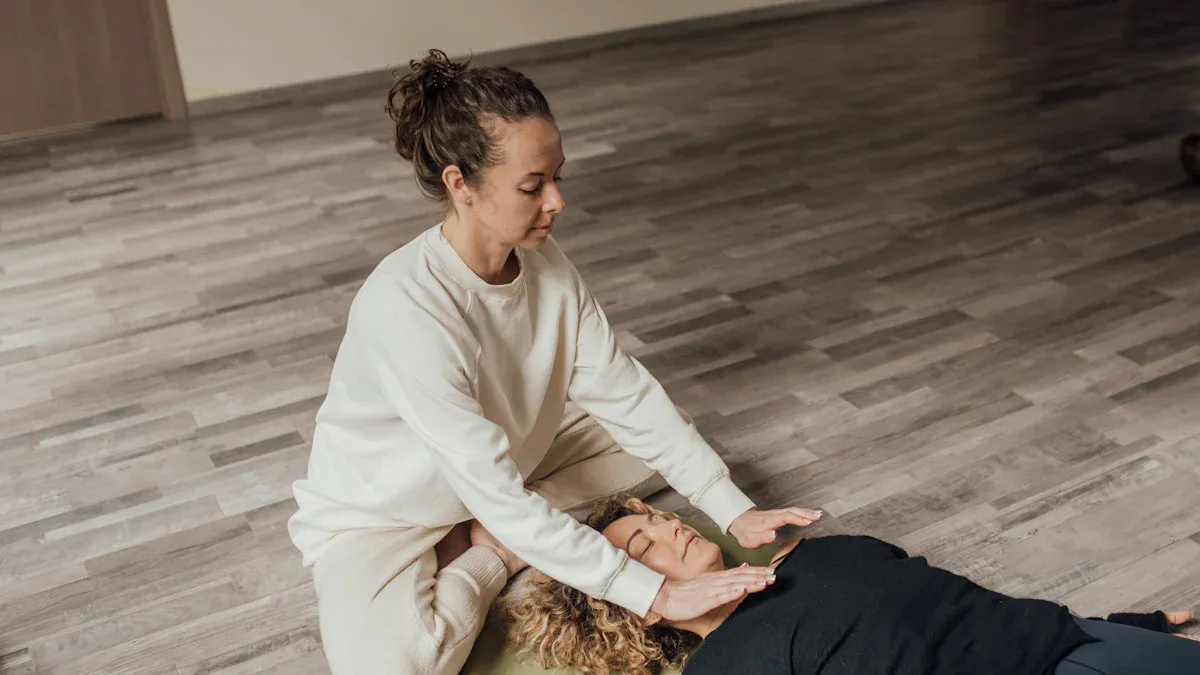
You can find chi at the heart of many healing arts. In traditional Chinese medicine, chi means your life energy. When chi flows well, you feel healthy. If chi gets blocked, you may feel sick. Acupuncture uses thin needles to open pathways and help chi move. This practice started over 4,500 years ago. It aims to restore balance and let your body heal itself. Herbal medicine uses plants with special energy to support your organs and adjust your body's vibration. These traditional techniques help you keep your chi strong.
Acupuncture targets points on your body to remove blockages in chi.
Herbal medicine uses plants to boost organ function and balance energy.
Qigong and Tai Chi use movement, breathing, and meditation to keep chi flowing.
In martial arts, you learn to sense and guide chi. Many martial arts forms teach you to use breathing and movement together. This helps you build energy and stay focused. Martial training often includes meditation to calm your mind and direct your chi. You can use these skills for health, not just for fighting.
Tai Chi and Qigong
Tai Chi and Qigong are martial arts that focus on chi. You practice slow movements, deep breathing, and meditation. These arts help you balance your energy and improve your health. In Tai Chi, you move with purpose and let your mind guide your chi. Qigong centers on repeating movements and using meditation to heal your body and mind.
Many studies show that Tai Chi and Qigong improve blood pressure, balance, and mood. You can see benefits in heart health, bone strength, and even sleep. Most people practice in groups, three times a week, for about an hour. No serious side effects have been reported.
Practice |
Focus |
Main Benefits |
|---|---|---|
Tai Chi |
Movement, meditation |
Balance, heart health, stress relief |
Qigong |
Breath, meditation |
Energy, immune support, calmness |
Martial arts like Tai Chi and Qigong use meditation to help you connect body and mind. You learn to move chi where you need it. This can help you feel stronger, calmer, and more balanced every day.
Modern Chi
Science and Energy
You may wonder what science says about chi. Some scientists think chi might be a kind of energy you cannot see. They believe Qigong could help your brain move this energy. The pineal gland may play a part in this process. These ideas are interesting, but there is no clear proof yet.
Researchers say your body has two systems. One is material, and one is energetic. The energetic system is like what Chinese medicine and taoism talk about. This idea could help people see chi in a new way. It might also lead to more studies in the future.
Science links chi to energy in your body.
Your bones can make electricity when you move. This may explain why Qigong and other taoist practices give you more energy.
Some spots on your skin let electricity move better. Doctors can find these spots by testing your skin.
Sometimes, acupuncture uses magnets or small electric currents to help chi flow.
Your body’s energy field changes with the earth’s field. It also changes with other electric fields around you. Even with these facts, there are still many questions about chi. Scientists need more studies to know how chi works in your body and in taoism.
Misconceptions
Many people get chi wrong, especially in movies or online. Some think you can use chi to knock people down without touching them. These tricks often use actors who pretend. Real tests show these powers do not work on people who do not play along.
Some people think chi is magic, but this comes from stories, wishes, and teachers who want money.
Long ago, people used chi to explain things they did not understand. For example, how energy moves in martial arts. The Boxer Rebellion showed that belief in magic chi could hurt people. Today, some groups charge a lot for "chi powers" that do not work in real tests.
Experts in Chinese medicine and taoism say not to judge chi by Western science alone. Taoism uses a big-picture view. It sees mind, body, and chi as one. Western medicine looks at small parts, like cells. Taoism cares about balance and energy. Some teachers use chi ideas the wrong way, which causes confusion. Experts say you should respect both systems and learn how taoism explains health and energy.
You should know that chi in taoism is not spirit or soul. It is a life energy that moves in your body and connects you to the world. Taoist philosophy teaches you to use chi for balance, health, and harmony, not for magic tricks.
Chi and Harmony
Balance in Life
Taoism says harmony is very important. Chi moves through everything around you. If your chi is balanced, you feel healthy and happy. Harmony is not something that stays the same. You must keep changing and find your center. Meditation can help your chi move better and bring harmony.
Tai chi and qigong use slow moves to balance chi and help your body.
Meditation and mindfulness clear your mind and help your feelings.
Herbs and good food give you energy and help you stay balanced.
Calm spaces and changing with the seasons help your chi stay strong.
Taoism teaches that harmony comes from yin and yang. These are two forces that work together. You might feel stress or tired if your chi is not balanced. Simple steps can help you feel better and restore harmony. Try these ideas to find balance:
Do tai chi or qigong to move your chi and feel more balanced.
Meditate every day to calm your mind and feel peaceful.
Eat healthy foods and get enough sleep to keep your energy up.
Make good friends and do fun things to help your feelings.
In taoism, harmony means living with nature, your body, and your mind. You can find balance by making small changes each day.
Mind-Body Connection
Taoism says your mind and body are joined by chi. Meditation helps your chi flow and brings harmony inside you. Tai chi and qigong show how moving and breathing connect your mind and body. Studies say these practices help your brain, memory, and help you feel calm.
Practice |
Mind-Body Benefit |
Role in Harmony |
|---|---|---|
Tai Chi |
Helps memory, lowers worry |
Balances chi |
Qigong |
Improves focus, lowers stress |
Creates harmony |
Meditation |
Calms mind, helps healing |
Builds inner peace |
Taoism uses meditation to help you notice your thoughts and feelings. This helps you guide your chi and find harmony. You can use breathing, gentle moves, and mindful eating to help your mind and body. When you care for both, you get closer to balance and lasting harmony.
Chi for Personal Development
Growth
You can use chi to help yourself grow. When you do Tai Chi or Qigong, you slow down and notice your body and mind. These practices help you pay attention to what you feel right now. You do not just think good thoughts. You also notice what is happening inside you. This helps you learn more about yourself.
Tai Chi helps you join your mind, body, and spirit. You move with care and breathe deeply. This helps you feel calm and close to nature.
Doing Tai Chi or Qigong often helps you get better over time. You learn to be patient because growing takes time.
You feel proud of small steps you take. Every little win matters for your growth.
Tai Chi teaches you to like the journey, not just the end. This way, you stay excited and pay attention.
When you use chi, you make your inner world more organized. You notice more things and try new experiences. This path is not about fast changes. It is about slow progress and enjoying each step.
Self-Healing
Chi is important for helping yourself heal. When you meditate, do Tai Chi, or Qigong, you help your body fix itself. These activities use slow moves, deep breaths, and focus to guide your energy. You can feel less stress, better moods, and help your body heal.
Many people say meditation and chi practices help with pain, worry, and sadness. You can feel calmer and more balanced after you practice.
Here are some good things you might notice:
You have less pain and more energy
Your mood gets better and you think more clearly
You feel closer to others when you practice together
Practice |
Benefit for Self-Healing |
Role in Personal Development |
|---|---|---|
Tai Chi |
Lowers stress, helps healing |
Builds patience and focus |
Qigong |
Helps your immune system |
Grows self-awareness |
Meditation |
Calms your mind, helps recovery |
Teaches mindfulness |
By using chi, you help your body heal and get stronger. You also make good habits that help you grow every day. Growing with chi is a lifelong path that brings balance, health, and happiness.
FAQ
What does "chi" feel like?
You might feel chi as warmth, tingling, or a gentle flow inside your body. Some people notice it during deep breathing or slow movement. You may also feel calm or more focused when your chi flows well.
Can you improve your chi every day?
Yes! You can practice Tai Chi, Qigong, or mindful breathing each day. Simple habits like stretching, eating healthy foods, and spending time in nature help your chi stay strong and balanced.
Is chi the same as energy in science?
Chi is not the same as electricity or calories. In Chinese philosophy, chi means life energy. Science studies body energy in different ways. Some researchers look for links, but chi covers more than just physical energy.
Do you need special training to feel chi?
No, you do not need special training. Anyone can start with simple exercises. Try slow breathing, gentle movement, or meditation. Over time, you may notice changes in how your body feels.
Can children practice chi exercises?
Yes! Children can learn Tai Chi or Qigong. These exercises use slow moves and deep breaths. They help kids feel calm, focused, and strong. Always use safe, gentle movements and have fun together.